


A ranking of the best high-yield stocks from European companies. Discover which high-dividend stocks provide consistent dividend payments for long-term investments.
Introduction
In times of financial market instability and low interest rates, investors increasingly turn their attention to European companies that offer stable and high dividend payouts. Such investments not only provide regular income but also serve as protection against inflation.
Understanding key terms: what investors should know about dividends
Before investing in dividend-paying stocks, it’s important to understand the key terms frequently used in analytical materials and financial reports. Below is an explanation of essential terms and practical aspects that can help make informed investment decisions.
Dividend yield
Dividend yield is a financial ratio that shows what percentage of the current market price of a stock is paid out annually in dividends. It is expressed as a percentage.
Formula:
Dividend yield (%) = (annual dividend per share / market price per share) × 100
Example:
If a stock costs €50 and the annual dividend is €2, the yield would be (2 / 50) × 100 = 4%.
What to know:
A high yield can indicate a generous dividend policy or a falling stock price (which could be a red flag).
Dividend yields should be compared within the same industry.
Ex-dividend date
The ex-dividend date is the cutoff date after which new buyers of the stock are not entitled to the upcoming dividend payment.
How it works
To receive dividends, an investor must own the stock before the ex-dividend date (typically at least one business day prior).
If you purchase the stock on or after the ex-dividend date, you will not receive the dividend.
What to know
After the ex-dividend date, the stock price usually adjusts downward by the amount of the dividend.
This adjustment is part of standard market mechanics and doesn’t necessarily imply a loss.
Payout ratio
The payout ratio represents the percentage of a company’s net income that is paid out as dividends to shareholders.
Formula:
Payout ratio (%) = (total dividends / net income) × 100
Example:
If a company earns €1 billion and pays €500 million in dividends, the payout ratio is (500 / 1000) × 100 = 50%.
What to know
- A healthy range is typically between 30% and 60%.
- A payout ratio above 100% means the company is paying more than it earns — a potentially unsustainable practice.
- Companies with very low payout ratios (below 20%) may have room to increase dividends in the future.
Other key factors when choosing dividend stocks
- Dividend history
Consistent and growing dividends over 5–10 years are a strong sign of financial health. - Business model
Companies with stable cash flow (e.g., utilities, telecoms, or insurance firms) tend to offer more reliable dividends. - Debt levels
High debt burdens can jeopardize future dividend payments. - Growth prospects
Even a high current yield may not compensate for a declining stock price if the company’s earnings fall. - Taxes
- Some countries (e.g., Germany, France, Switzerland) apply withholding taxes on dividends. This is important to consider in international investing.
1. Rubis (ENXTPA:RUI)
Country: France
Sector: energy
Dividend yield: 6.96%
Next payment date: June 19, 2025
Ex-dividend date: June 17, 2025
Payout ratio: 61%
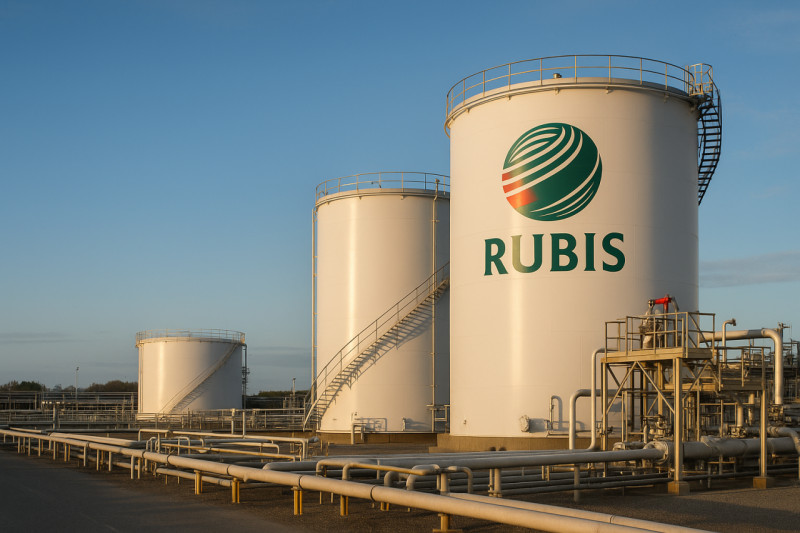
Rubis is a French energy company focused on storage infrastructure, logistics, and the distribution of petroleum products, gas, and chemicals. Founded in the 1990s, the company has grown over the decades to become a key player in the energy distribution market across Europe, the Caribbean, and Africa. Its core business areas include petroleum storage (through its subsidiary Rubis Terminal) and retail distribution of energy products (through Rubis Énergie), such as gas cylinders, diesel, and liquefied petroleum gas (LPG).
From an investor’s perspective, Rubis represents a classic example of a stable, dividend-focused business. The company has a consistent dividend payment history and is committed to maintaining payout stability even during periods of market volatility. As of May 2025, its dividend yield stands at 6.96% — significantly above the European market average. This makes Rubis shares particularly attractive for income-focused investors.
The payout ratio of 61% indicates that the company uses a moderate portion of its earnings to pay dividends, while maintaining sufficient liquidity to reinvest in growth, manage debt, and cover capital expenditures. This balanced approach reduces the risk of future dividend cuts and reflects strong financial health.
Given current market conditions, high energy prices, and the ongoing restructuring of the European energy sector, Rubis’ business demonstrates both resilience and adaptability. The company is actively investing in sustainable energy sources and expanding its logistics operations in developing regions, which may support long-term revenue growth.
2. S.N. Nuclearelectrica (BVB:SNN)
Country: Romania
Sector: nuclear energy
Dividend Yield: 8.6%
Next payment date: June 24, 2025
Ex-dividend date: June 2, 2025
Payout ratio: 49%
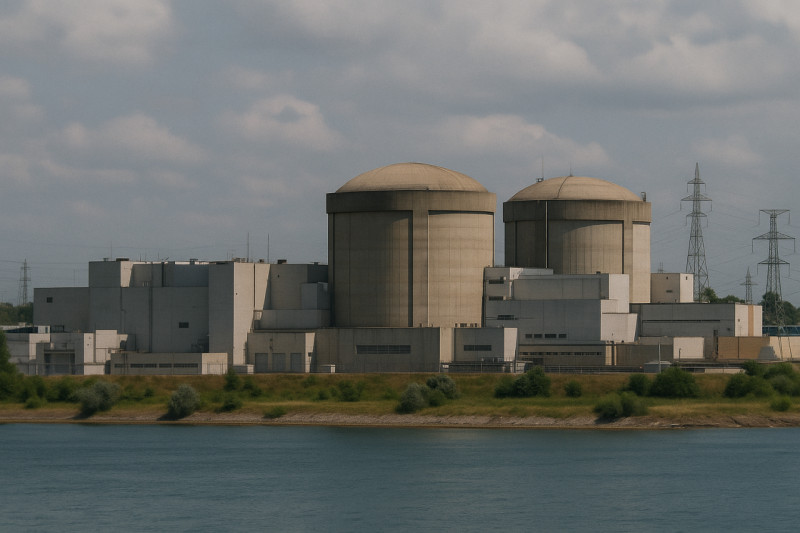
S.N. Nuclearelectrica S.A. is a key player in Romania’s energy sector and one of the few electricity providers that rely exclusively on nuclear technology. The company operates the Cernavodă nuclear power plant, which supplies approximately 18–20% of the country’s total electricity. As a state-owned enterprise, Nuclearelectrica plays a strategic role in ensuring Romania’s energy security and supporting decarbonization goals aligned with the EU’s clean energy transition plans.
Amid growing demand for stable energy sources and a reassessment of nuclear power’s role in Europe, Nuclearelectrica has delivered strong financial performance. Its moderate costs, steady revenue streams, and low debt levels enable the company not only to invest in infrastructure development but also to consistently pay dividends to shareholders.
As of May 2025, the company offers a dividend yield of 8.6%, making it one of the highest-yielding dividend stocks in the European energy sector. This high yield is the result of both effective profit management and a prudent dividend policy.
The payout ratio of 49% shows that the company allocates just under half of its net income to dividends — a balanced approach that ensures attractive returns for shareholders while retaining sufficient capital for reinvestment in modernization and expansion.
Importantly, nuclear energy is considered one of the most sustainable and environmentally friendly forms of electricity generation. In light of climate challenges and carbon emission limits, interest in such companies is rising — particularly among institutional investors. Backed by the government and participating in international programs (including partnerships with the US and Canada on new reactor construction), Nuclearelectrica has strong growth prospects.

3. ERG (BIT:ERG)
Country: Italy
Sector: renewable energy
Dividend yield: 5.60%
Next payment date: May 21, 2025
Ex-dividend date: May 19, 2025
Payout ratio: 93.3%
ERG S.p.A. is one of Italy’s largest independent producers of electricity from renewable sources. Founded in 1938 as an oil company, ERG has undergone a major transformation, fully divesting from fossil fuels and becoming a pioneer in sustainable energy. Today, the company operates in wind, solar, and hydroelectric power, with projects not only in Italy but also across Europe — including France, Germany, Poland, and the United Kingdom.
ERG focuses on clean energy generation and sustainable development, making it especially appealing to ESG-minded investors (environmental, social, and governance criteria). This ESG focus also attracts strong interest from institutional investors and pension funds.
As of May 2025, ERG’s dividend yield stands at 5.60%, which is above the average for the European energy sector. This is particularly notable given the capital-intensive and technologically demanding nature of the industry. The high dividend payout ratio — 93.3% — reflects the company’s commitment to returning nearly all of its net income to shareholders, making ERG stock especially attractive for investors seeking stable income.
The company’s financial performance remains resilient: despite energy market volatility, ERG continues to generate steady cash flow thanks to long-term power purchase agreements (PPAs), geographic diversification, and increased installed capacity.
Another factor contributing to ERG’s stability is the European Union’s support for green energy producers. The regulatory environment in Europe encourages investment in renewable energy, reducing risks and ensuring more predictable long-term revenues.
4. Julius Bär Gruppe (SWX:BAER)
Country: Switzerland
Sector: financial services
Dividend yield: 4.80%
Last payment date: April 14, 2025
Payout ratio: 52.4%
Julius Bär Gruppe AG is one of Switzerland’s oldest and most respected financial institutions, with a history dating back over a century. Founded in 1890, the company specializes in private banking, wealth management, and investment advisory services. Julius Bär serves high-net-worth clients worldwide, offering tailored financial solutions and access to global investment markets.
The company is a key player in Switzerland’s financial sector, known for its stability, confidentiality, and strict regulatory standards. Over the years, Julius Bär has delivered consistent financial performance: strong margins, a large and diverse client base, and multiple revenue streams allow the firm to maintain a reliable cash flow for both business growth and regular dividend payments.
As of May 2025, Julius Bär offers a dividend yield of 4.80%, making it attractive to investors looking for reliable payouts in the financial sector. This yield is above the European banking average, particularly considering the company does not carry the heavy credit exposure of large universal banks. Julius Bär primarily operates on a fee-based model, generating income through fees and asset management rather than through lending, which makes the business less vulnerable to economic downturns.
The payout ratio of 52.4% reflects a balanced approach to profit distribution — rewarding shareholders while reinvesting sufficiently in business development. This supports stable dividend payments without compromising the company's long-term growth potential.
Swiss financial firms are known for strong capital management discipline. Julius Bär actively engages in share buyback programs, further enhancing shareholder value.
In times of global uncertainty, tightening monetary policy, and rising investor demand for stability, Julius Bär shares are seen as a reliable source of moderate yet stable income. The stock is particularly appealing for those building a dividend-focused portfolio with a conservative, low-risk profile.
5. Allianz (XTRA:ALV)
Country: Germany
Sector: insurance
Dividend yield: 4.44%
Last payment date: May 13, 2025
Payout ratio: 61.1%
Allianz SE is one of the world’s largest insurance and financial services companies, headquartered in Germany. Founded over a century ago, the company is a global leader in life, property, and liability insurance, and has a strong presence in asset management through its division Allianz Global Investors. Allianz combines traditional insurance products with innovative financial solutions, which helps it remain resilient and competitive in a changing economic environment.
The company’s financial stability and consistent dividend policy make it a popular choice among investors seeking reliable income within the insurance sector. As of May 2025, Allianz offers a dividend yield of 4.44%, an attractive level for a large, conservative issuer. This yield provides investors with regular passive income while participating in the growth of one of the world’s largest insurance groups.
The dividend payout ratio of 61.1% reflects the company’s balanced approach to profit distribution. It shows that Allianz returns more than half of its net income to shareholders, while retaining sufficient capital to invest in growth, maintain resilience, and cover risk exposures. This strategy supports long-term financial sustainability and reduces risks for shareholders.
Allianz holds strong positions in key markets across Europe, North America, and Asia, offering a well-diversified revenue base. In addition, the company actively integrates digital technologies and develops new insurance products to meet evolving customer needs and adapt to industry trends.
Despite the cyclical nature of the insurance sector and risks related to natural disasters and economic shocks, Allianz maintains a high level of capitalization and solid credit ratings from international agencies. This makes the company’s shares a relatively safe asset for long-term investment.
6. Zurich Insurance Group (SWX:ZURN)
Country: Switzerland
Sector: insurance
Dividend yield: 4.83%
Last payment date: April 11, 2025
Annual dividend: CHF 28.00 per share
Zurich Insurance Group is a Swiss-based global insurance company with a strong international presence. With a dividend yield of 4.83% and a consistent dividend history, Zurich is a reliable option for investors seeking global dividend income.
Zurich Insurance Group AG is one of the largest and most respected insurance companies in the world. Headquartered in Switzerland, the company operates globally, offering a wide range of insurance products, including life, property, health, risk management, and financial services. With over 140 years of history, Zurich has a solid reputation and deep-rooted expertise in the insurance industry.
Zurich is a leading player in the sector thanks to its diversified business model and global reach, covering more than 210 countries and territories. This wide geographic spread allows the company to effectively distribute risk and maintain stable financial performance even during times of global economic uncertainty.
As of May 2025, Zurich’s dividend yield amounts to 4.83%, making it attractive to investors looking for stable dividend income. The company demonstrates a consistent and reliable dividend policy, regularly paying dividends to shareholders — a reflection of its financial strength and investor-centric strategy.
The annual dividend of CHF 28.00 per share is among the highest in the European insurance sector. These payouts reflect Zurich’s steady profitability and effective capital management. At the same time, the company maintains a balance between returning value to shareholders and reinvesting in the business to support long-term growth.
Zurich’s financial stability is reinforced by strong credit ratings from global agencies, highlighting its ability to withstand financial shocks and maintain liquidity. The company also actively invests in digital technologies and innovations to enhance customer experience and improve operational efficiency.
Additionally, Zurich places strong emphasis on sustainability and corporate social responsibility — key factors for many modern investors.
7. OVB Holding (XTRA:O4B)
Country: Germany
Sector: Financial Services
Dividend Yield: 4.50%
OVB Holding AG is one of Europe’s leading financial advisory companies, founded in 1970 and headquartered in Germany. The company specializes in providing personalized advice on financial planning, insurance, retirement solutions, and investments. OVB serves a wide range of clients — from individuals to small and medium-sized businesses — helping them select the most suitable financial products and services.
The company’s key competitive advantages include decades of experience, a broad network of financial consultants, and partnerships with leading European and international financial institutions. OVB operates in more than 10 countries across Central and Eastern Europe, including Germany, Poland, the Czech Republic, Hungary, Bulgaria, and Romania, offering broad geographic diversification and business resilience.
From a financial perspective, the company consistently demonstrates stable profitability and transparency — important traits for investors seeking high-yield dividend stocks in the financial sector. As of May 2025, OVB Holding’s dividend yield stands at 4.50%, which is above the market average and attracts those looking for steady and reliable dividend income.
Historically, OVB has maintained a conservative dividend policy focused on balancing shareholder returns with funding future growth. This approach helps the company preserve financial strength and reduce risks associated with economic fluctuations.
The company regularly publishes financial reports confirming its ability to generate stable cash flow and maintain high standards of client service. OVB is also actively investing in the digitalization of its operations, expanding its client base, and enhancing its services — all of which contribute to its growing competitiveness in the financial services market.
For long-term investors, OVB Holding represents a balanced asset with moderate risk and attractive income potential. The financial services sector remains a cornerstone of the European economy, and companies offering high-quality advice and tailored solutions continue to be in steady demand.
8. Banque Cantonale Vaudoise (SWX:BCVN)
Country: Switzerland
Sector: banking
Dividend yield: 4.55%
Last payment date: May 14, 2025
Annual dividend: CHF 4.40 per share
Banque Cantonale Vaudoise (BCV) is one of Switzerland’s largest cantonal banks, headquartered in the canton of Vaud. Established in 1845, the bank plays a vital role in the regional economy, offering a full range of banking services to both individuals and corporate clients. BCV is known for its reliability, stable dividend policy, and commitment to long-term shareholder interests.
Swiss cantonal banks are renowned for their stability, strong capitalization, and support from their respective cantonal governments, which helps reduce both credit and operational risk. BCV is no exception: the backing of local authorities and strict regulatory oversight contribute to the bank’s resilience, even in times of economic uncertainty.
As of May 2025, BCV offers a dividend yield of 4.55%, making it an appealing choice for investors seeking steady income in the banking sector. The annual dividend of CHF 4.40 per share reflects a balanced approach to profit distribution — the bank retains a portion of earnings for reinvestment and capital preservation, while still returning a substantial share to its shareholders.
BCV specializes in retail banking, SME lending, asset management, and infrastructure financing within the canton of Vaud and neighboring regions. Its high service quality, strong ties to the local economy, and loyal customer base ensure stable revenue streams.
Additionally, BCV actively adopts digital technologies to enhance customer experience and improve operational efficiency. This helps the bank stay competitive despite growing pressure from international banks and fintech firms.
The cantonal status of BCV also implies a more conservative risk management strategy compared to commercial banks — an important factor that further minimizes the likelihood of negative surprises and strengthens investor confidence.
9. HEXPOL (OM:HPOL B)
Country: Sweden
Sector: industrials
Dividend yield: 4.84%
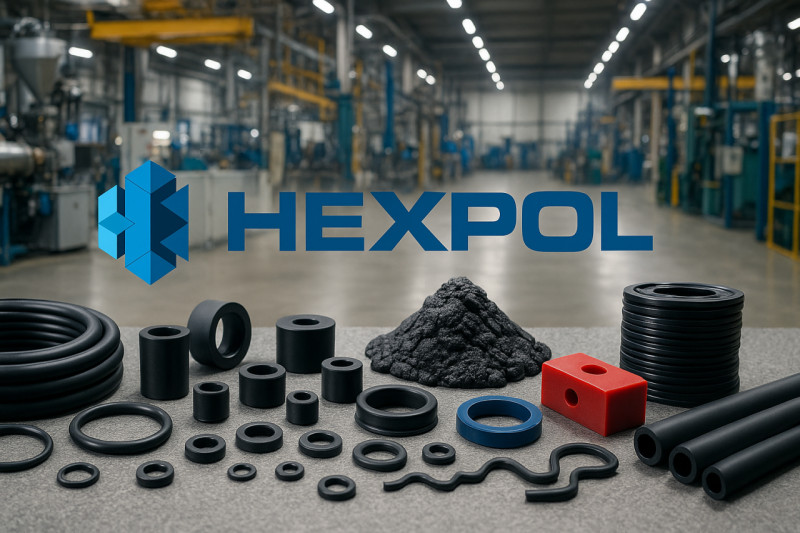
HEXPOL AB is a leading Swedish company specializing in the production of high-quality polymer components and materials. Founded in 1955, HEXPOL has grown into an international player with operations in over 20 countries and a broad product portfolio serving industries such as automotive, construction, healthcare, electronics, and consumer goods.
The company holds a strong position in the industrial sector, particularly in the field of high value-added materials. Its core business revolves around rubber and plastic compounding technology, producing seals, gaskets, vibration dampers, and other critical components for diverse industrial applications. Thanks to its innovative approach to materials and manufacturing processes, HEXPOL maintains a competitive edge and operational resilience.
Financially, HEXPOL demonstrates consistency and profitability, which supports its stable dividend policy. As of May 2025, the company’s dividend yield stands at 4.84%, an attractive figure for investors looking for income-generating stocks in the industrial sector with a solid financial foundation. This strong yield is backed by effective cost management and a balanced profit allocation between shareholder returns and reinvestment.
HEXPOL follows a strategy that balances reinvestment in innovation and capacity expansion with dividend payouts. This approach supports long-term growth and competitiveness. The company continuously introduces new technological solutions aimed at improving product quality and boosting environmental sustainability — aligning with global trends in sustainable development.
HEXPOL’s business resilience is further strengthened by its diversification across regions and customer segments, reducing dependence on any single market and ensuring stable revenue. Its client base includes major global manufacturers in the automotive, industrial, and construction sectors, which secures steady demand for its products.
For income-oriented investors seeking industrial stocks with reliable dividends, HEXPOL offers a compelling combination of a proven track record, strong financials, and growth potential. Its shares may serve as a valuable component in a diversified portfolio, especially for those seeking steady returns with moderate risk.

10. Bredband2 i Skandinavien (OM:BRE2)
Country: Sweden
Sector: telecommunications
Dividend yield: 4.39%
Bredband2 i Skandinavien AB is a Swedish telecommunications company specializing in broadband internet services and related digital solutions. Founded in 1998, the company has built a reputation as a reliable internet provider for private customers and small to medium-sized businesses across the Nordic region. Bredband2 focuses on high-speed internet access in a variety of locations, as well as comprehensive solutions for corporate clients.
The company maintains a solid market position by combining high service quality, competitive pricing, and a flexible, customer-centric approach. It actively implements cutting-edge technologies, including fiber-optic networks and mobile internet-based services, enabling it to maintain high customer satisfaction and remain one of the market leaders.
As of May 2025, Bredband2 offers a dividend yield of 4.39%, making it an appealing option for investors seeking consistent dividend payouts in the telecom sector. Its regular and predictable dividends reflect the company’s financial stability and commitment to sharing profits with shareholders.
Bredband2 follows a balanced financial strategy, combining dividend distributions with investments in infrastructure and customer base expansion — a key consideration in a capital-intensive sector like telecommunications.
The company continues to upgrade its network infrastructure, modernize equipment, and expand coverage, all of which help retain existing customers and attract new ones. Additionally, Bredband2 is developing supplementary services such as cloud solutions and cybersecurity offerings, contributing to revenue growth and business diversification.
For long-term investors, Bredband2 shares offer a compelling mix of moderate risk, stable dividends, and growth potential in a fast-evolving sector. The telecommunications market in Scandinavia is known for its technological advancement and strong demand for digital services, providing a favorable environment for sustainable growth for companies like Bredband2.
Conclusion
Investing in European stocks with high dividend yields can be an effective strategy for generating stable income and preserving capital. Choosing the best dividend-paying stocks requires careful analysis of financial performance, business resilience, and growth prospects.


 Back to articles